

Every Texan has heard it a thousand times: drink more water. It’s not wrong, exactly. It’s just incomplete, and in a Texas summer, incomplete advice can be the difference between feeling fine and ending up in an emergency room.
Here’s the thing most people don’t know: drinking a lot of water without replacing anything else your body is losing can actually leave you just as depleted as not drinking enough. Sweat isn’t just water leaving your body. It’s carrying sodium, potassium, and other electrolytes out with it, and in Texas heat, you’re losing a lot of it. So, if hydration has felt like a losing battle no matter how many water bottles you go through, the missing piece might not be more water. It might be something else entirely.
The Electrolyte Piece Most People Skip
Water rehydrates. Electrolytes are what allow your body to actually hold onto that water and use it properly. Sodium, potassium, and magnesium all play a role in muscle function, nerve signaling, and fluid balance. When you sweat heavily, as is basically a daily event during a Texas summer, those minerals leave your body alongside the water.
Electrolytes are essential because the body cannot produce them on its own; they have to come from food and drink. Skip them during heavy sweating, and you can end up dehydrated even while drinking plenty of water, a state sometimes called hyponatremia in more severe cases, where sodium levels drop low enough to cause real symptoms like confusion, nausea, and muscle cramping.
The fix doesn’t require anything elaborate. A pinch of salt in water, a low-sugar electrolyte drink, or simply eating foods that naturally carry sodium and potassium during high heat days covers most of what’s needed for everyday outdoor time.
Eat Your Water
Texans don’t have to get all their fluids from a bottle. A genuinely useful trick for hot weather is leaning on water-rich foods, which deliver hydration alongside real nutrients rather than just liquid.
A few easy choices that pull double duty for hydration and nutrition:
- Watermelon is about 92% water and comes with a dose of potassium, making it one of the most efficient hydrating foods available.
- Cucumbers are roughly 96% water and add almost no calories, making them an easy addition to nearly any meal.
- Strawberries and citrus fruits like oranges and grapefruit combine high water content with vitamin C and natural electrolytes.
- Celery and bell peppers are both high in water content and offer a satisfying crunch that makes them easy to snack on throughout the day.
- Yogurt and cottage cheese carry meaningful water content along with protein and calcium, which most produce-based options don’t offer.
This matters more than it sounds like it should. Food-based hydration tends to be absorbed more gradually than a large volume of plain water, which can actually help fluid retention rather than just passing straight through.
What Actually Works Against You
A few habits quietly undercut hydration efforts even when water intake looks fine on paper. Caffeine and alcohol both have mild diuretic effects, meaning they increase fluid loss through urination. That doesn’t mean cutting out morning coffee, but it does mean an iced coffee in July isn’t doing any hydration favors and may need a water chaser.
Heavy reliance on energy drinks is also worth a second look. Despite often being marketed around hydration and performance, their high caffeine content tends to work against the goal rather than toward it.
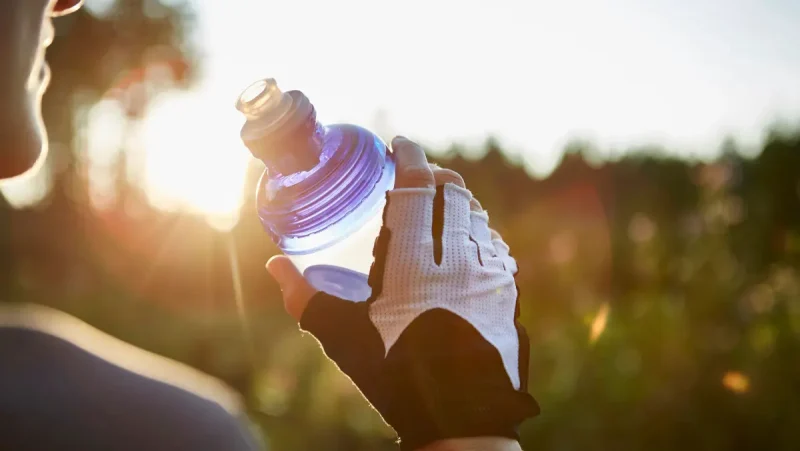
And the most underrated factor of all: waiting until you’re thirsty. Thirst is a lagging signal. By the time it shows up, mild dehydration is often already underway. Sipping consistently throughout the day, rather than chugging water reactively, keeps the whole system working more smoothly.
When Hydration Stops Being Enough
Most hydration issues resolve with water, food, rest, and a little salt. But heat illness is a real medical condition, not just an inconvenience, and it’s worth knowing where the line is.
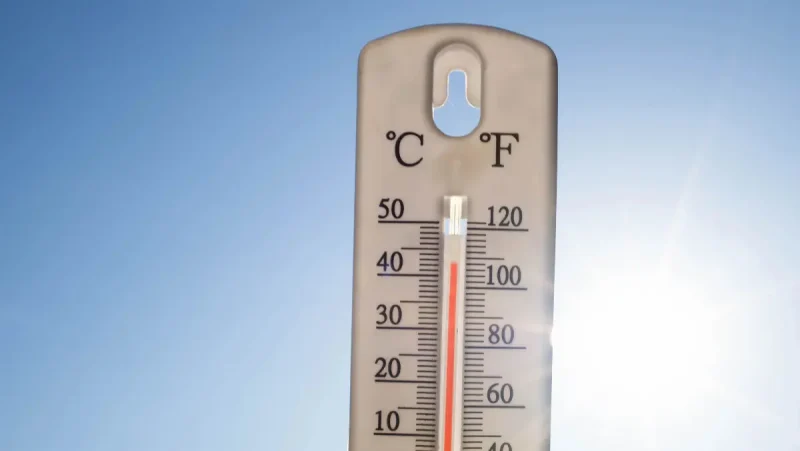
Heat exhaustion typically shows up as heavy sweating, dizziness, nausea, headache, and muscle cramps. Resting in a cool space and rehydrating usually resolves it. Heat stroke is a different situation entirely. Signs include a body temperature above 103 degrees, hot and dry or unusually flushed skin, confusion, rapid pulse, or loss of consciousness. Heat stroke is a 911 emergency. It progresses quickly and requires immediate medical treatment.
If you or someone with you stops sweating in extreme heat, becomes confused, or loses consciousness, don’t wait it out. Call 911 or get to an emergency center right away.
Surepoint Has You Covered, Heat Wave or Not
At Surepoint Emergency Centers across Texas, heat-related illness is something the team sees and treats all summer long, with IV fluids, labs, and physician evaluation available on-site, any hour, any day. If hydration efforts at home aren’t cutting it and something feels off, come in and let the team help you get back on track.
Stay cool out there, Texas.
If you are experiencing a medical emergency, call 911 or visit your nearest emergency room immediately. This post is for informational purposes only and does not replace guidance from your healthcare provider. Information sourced from the CDC Heat-Related Emergency Department Visits report (cdc.gov/mmwr), UT Southwestern Medical Center research published in Academic Pediatrics (utsouthwestern.edu), and UAB News (uab.edu). Current as of June 2026.