
Medically reviewed by Mihir Talati, Medical Director at Surepoint Emergency Hulen, Fort Worth
Last clinically reviewed: August 2026
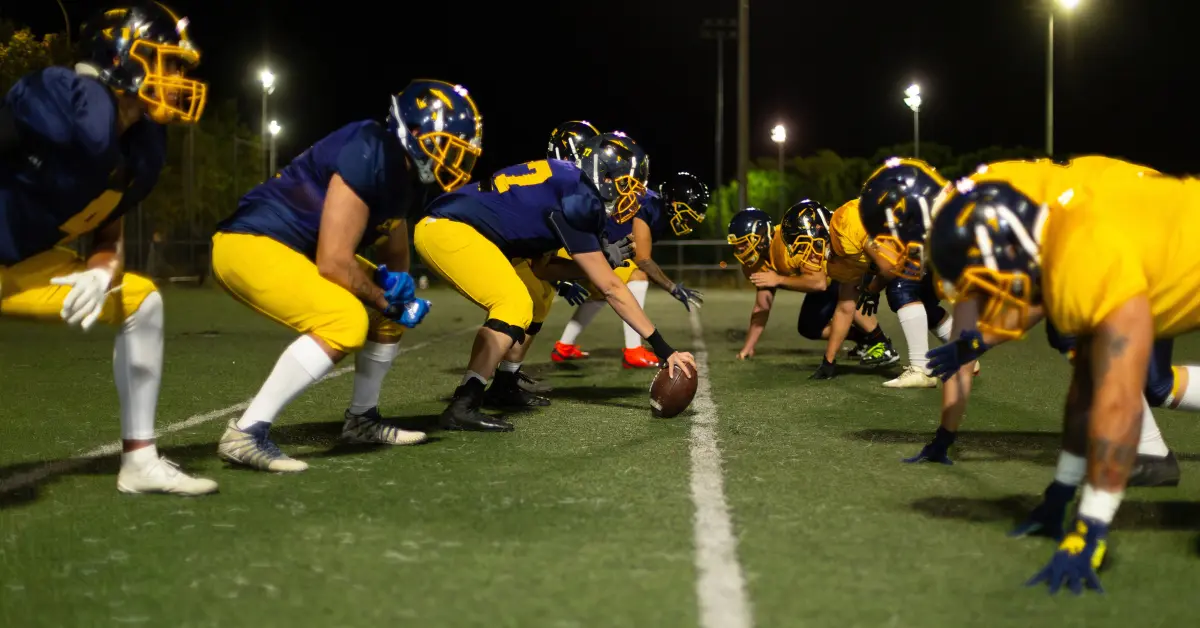
In Texas, a Friday night football game is rarely just a game. It can bring several thousand students, parents, grandparents, band members, cheerleaders, school employees, and community supporters into one outdoor venue, often after a full day of late-summer heat.
The players receive most of the attention when people think about medical risk. Athletic trainers watch for concussions, fractures, heat illness, and other injuries on the field. From an emergency medicine perspective, however, the larger picture extends into the stands, parking lots, concession lines, and postgame traffic.
Texas reported more than 879,000 high school sports participants during the 2024–2025 school year, the highest total of any state. Each athlete is surrounded by coaches, officials, families, and spectators, which means a busy sports calendar also creates a series of recurring community gatherings. (NFHS)
Most people will attend those events safely. The reason emergency teams prepare is that even a small rate of illness becomes meaningful when a large crowd gathers in one place.
The Medical Event May Not Be on the Field
Research on stadium and arena gatherings has found that roughly one to 24 spectators per 10,000 attendees seek on-site medical attention, with a median of 3.8. Only a small portion require hospital transport, but the range reflects how much weather, venue design, crowd density, access to water, and the nature of the event can change medical demand. (PubMed Central (PMC))
Football appears to create a particularly demanding setting. In one study of 79 large public events, football games had the highest rate of medical presentations among the event types examined. Outdoor venues, lack of climate control, limited access to free water, high occupancy, and rising heat index were all associated with greater medical demand. (PubMed)
Many of those patients are not athletes. They are spectators experiencing dehydration, fainting, falls, asthma symptoms, chest discomfort, allergic reactions, low blood sugar, or worsening of a chronic medical condition.

Heat Does Not End at the Sideline
Texas football begins while summer conditions are often still present. Evening kickoff may feel cooler than afternoon practice, but spectators can spend hours walking across hot parking lots, sitting in crowded aluminum bleachers, and waiting in concession or entrance lines with limited shade.
Heat illness develops when the body can no longer release heat effectively. Risk rises with temperature and humidity, but it is also influenced by age, hydration, medications, pregnancy, alcohol use, and underlying heart, lung, or kidney disease. The CDC notes that hot conditions can worsen chronic illnesses as well as cause heat exhaustion or heat stroke directly. (CDC)
Early symptoms may include heavy sweating, headache, nausea, weakness, dizziness, or muscle cramping. A person who feels faint should move to a cooler area and stop exertion. Confusion, collapse, loss of consciousness, or a very high body temperature may indicate heat stroke, which is a life-threatening emergency. (CDC)
The setting can make these signs easy to miss. A grandparent who becomes quiet and unsteady may appear tired. A teenager who feels nauseated may assume it was something from the concession stand. Someone who nearly faints may insist on sitting through the final quarter.
Improvement after rest and fluids is reassuring. Persistent symptoms, altered behavior, chest discomfort, breathing difficulty, or fainting are reasons to seek medical help rather than waiting for the game to end.
Crowds Can Expose Underlying Medical Problems
Long walks, stairs, excitement, heat, and several hours away from normal routines can place additional strain on people with chronic medical conditions.
An asthma flare may begin with coughing or chest tightness and progress to visible difficulty breathing. A person with diabetes may experience low blood sugar after missing a meal or taking medication without eating as expected. Older spectators may become dizzy because of dehydration, blood-pressure medication, or prolonged standing. Falls on steps and bleachers can cause head injuries, fractures, or significant bleeding, particularly in people taking blood thinners.
Chest pain presents a different concern. It may be caused by heat, anxiety, indigestion, or muscular strain, but it may also reflect a heart attack or another serious cardiovascular condition. The location of the pain does not reliably settle the question, and symptoms can be less obvious in women, older adults, and people with diabetes.
Sudden cardiac arrest is less common, but it requires immediate action. More than 350,000 cardiac arrests occur outside hospitals in the United States each year. Immediate CPR can double or triple the chance of survival, which is why access to an automated external defibrillator, or AED, and a practiced emergency plan matter at athletic venues. (American Heart Association)
A person who suddenly collapses, does not respond, and is not breathing normally may be in cardiac arrest. Someone should call 911, another person should retrieve an AED, and CPR should begin. Gasping is not normal breathing and should not be mistaken for a sign that the person is recovering. (www.heart.org)

What Emergency Readiness Looks Like
Emergency preparation during sports seasons is not based only on the number of games scheduled. ER teams consider the size and age range of the surrounding community, expected attendance, weather conditions, traffic patterns, and the types of emergencies that large outdoor events can produce.
Hospitals and emergency departments, such as Surepoint, may see patients who have already received first aid at the stadium, as well as people who leave the venue on their own and seek care later. A person may arrive with persistent heat symptoms, chest pain, a head injury from a fall, an asthma attack that did not respond to a rescue inhaler, or dehydration that can no longer be corrected by drinking fluids.
Evaluation may include vital-sign monitoring, an electrocardiogram, laboratory testing, blood glucose measurement, IV fluids, medication, X-ray, ultrasound, or CT imaging. The testing depends on the symptoms and examination rather than on the fact that the illness began at a sporting event.
Most spectator complaints will not become life-threatening. Studies of mass gatherings consistently find that the majority of patients require limited treatment, while only a small share need hospital transport. That does not reduce the value of preparation. It is what allows emergency resources to remain available for the uncommon patient whose condition changes quickly. (PubMed)
Before the Next Game
Spectators do not need to approach Friday night football as a medical hazard. A few practical decisions can reduce avoidable problems:
- Drink water before arriving rather than waiting until thirst develops.
- Bring necessary rescue medication, such as an inhaler or epinephrine auto-injector.
- Eat regularly when taking insulin or medications that can lower blood sugar.
- Locate exits, first-aid stations, and nearby AEDs after entering the venue.
- Pay attention when someone becomes confused, unusually weak, short of breath, or difficult to wake.
- Call 911 for collapse, severe breathing difficulty, signs of stroke, or persistent chest pain.
Texas sports culture brings communities together, which is part of what makes the season meaningful. Emergency readiness protects that experience by accounting for the entire venue, not only the athletes under the lights.
Surepoint Emergency Centers provide 24/7 emergency evaluation across Texas, with on-site laboratory testing, cardiac assessment, imaging, IV treatment, medication, and coordination of hospital transfer when a patient needs a higher level of care.
Clinical information is current as of August 2026.
Clinical sources: Centers for Disease Control and Prevention; American Heart Association; National Federation of State High School Associations; peer-reviewed research on stadium medicine and mass-gathering emergency care.