
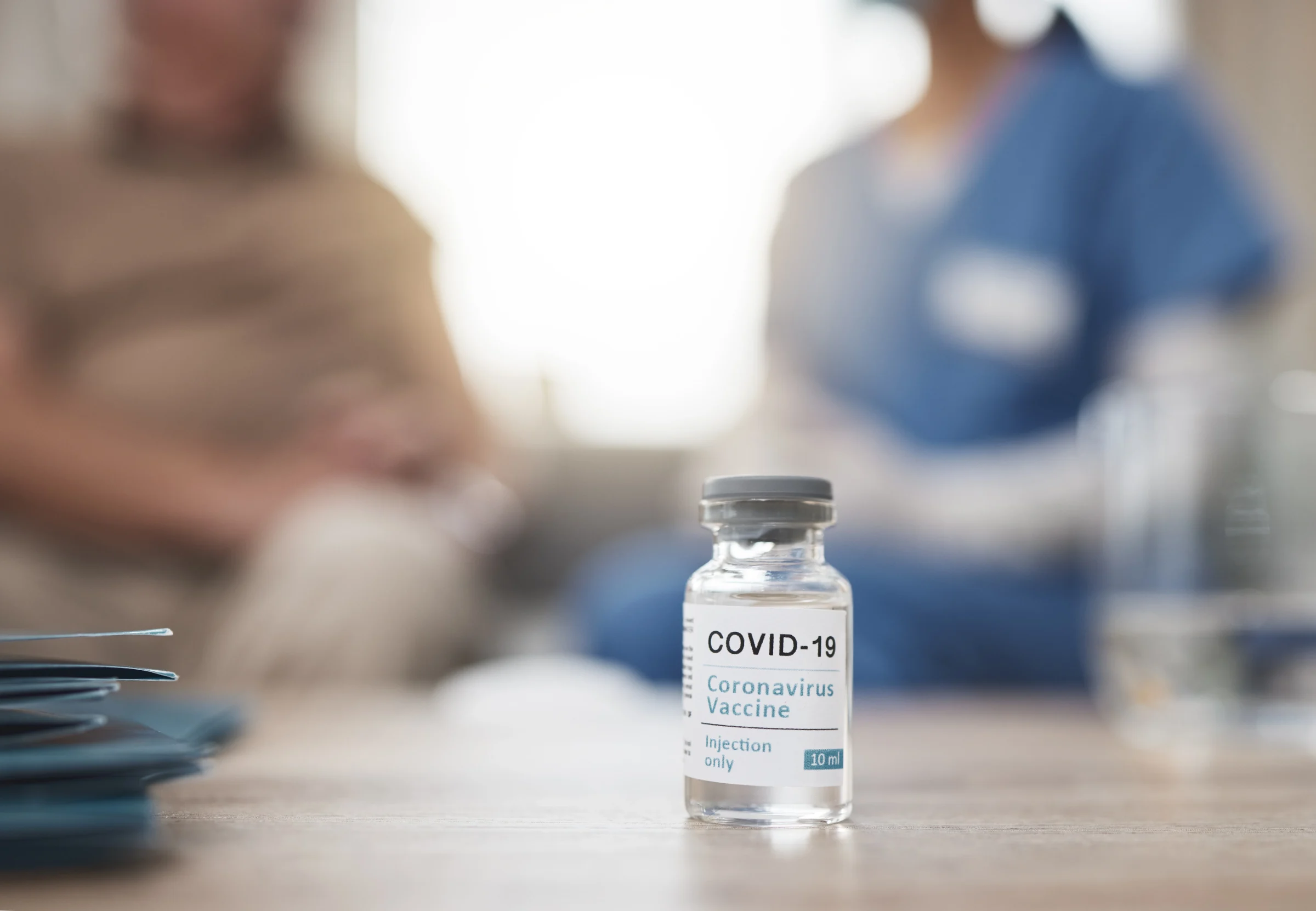
RSV, COVID, and Flu in Vulnerable Populations
During cold and flu season, many people manage symptoms at home. A few days of fever, cough, and fatigue often resolve with rest, fluids, and over-the-counter medications. But that approach is not safe for everyone.
Symptoms that drag on for days or weeks without getting better are a warning sign, not just a stubborn cold. Many people mistake a lingering illness for a common cold, only to find their condition has become much more serious after several days or weeks of being sick.
Symptoms of respiratory viruses like respiratory syncytial virus (RSV), COVID-19, and influenza can be much more serious for vulnerable populations. Young children, older adults, and people with underlying health conditions are at higher risk for complications. For them, waiting too long to seek care can be dangerous.
So who should receive emergency treatment?
Young Children, Especially Babies
Infants and toddlers can worsen quickly with RSV and the flu. Their airways are smaller, which means swelling and mucus can block breathing more easily.
Parents should watch for fast or labored breathing, flaring nostrils, chest pulling in between the ribs when breathing, blue or pale lips, difficulty feeding, fewer wet diapers, and/or extreme sleepiness or trouble waking.
A baby who is struggling to breathe or not staying hydrated needs immediate medical attention. RSV is one of the most common reasons infants are hospitalized in the winter.
Even in older children, high fever that will not come down, persistent vomiting, or signs of dehydration should prompt a call to a pediatrician.
Older Adults
Adults over 65 are at higher risk of complications from flu, COVID, and RSV. The immune system weakens with age, and chronic conditions are more common.
In older adults, symptoms may not look dramatic at first. Sometimes the only early sign of serious illness is confusion, weakness, or a sudden change in behavior.
Warning signs include shortness of breath, chest pain, confusion or new disorientation, persistent high fever, and/or severe fatigue that prevents normal activity.
Pneumonia is a common complication in this age group. If breathing becomes difficult or oxygen levels drop, hospital care may be needed.
Older adults should not ignore worsening symptoms, even if they seem mild at first.
People With Chronic Medical Conditions
Certain health conditions increase the risk of severe illness from respiratory viruses. These include asthma, chronic lung disease, heart disease, diabetes, kidney disease, weakened immune systems (autoimmune conditions, HIV), and/or obesity.
For people with asthma or chronic lung disease, a viral infection can trigger serious breathing problems. If inhalers are not helping, or breathing feels more difficult than usual, medical care should not be delayed.
People with weakened immune systems may not develop strong fevers, even when they are very sick. That makes it especially important to monitor symptoms closely.
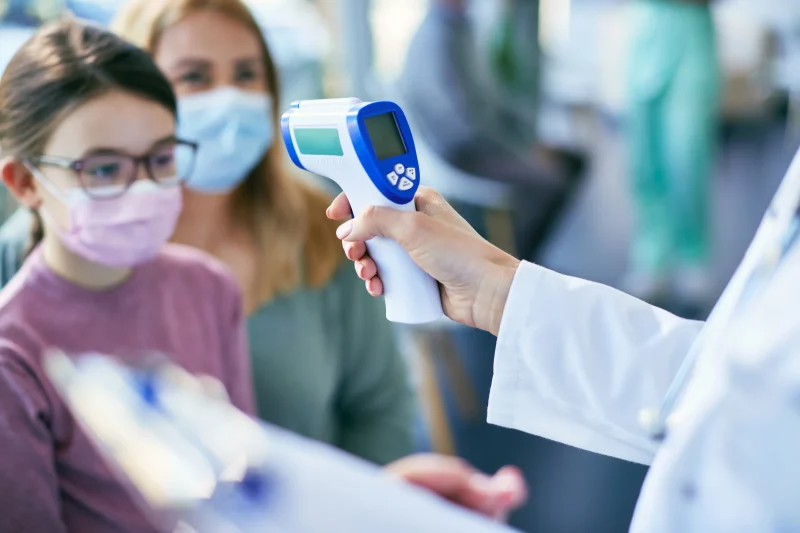
Pregnant Individuals
Pregnancy changes how the immune system responds to infections. Flu and COVID can lead to more severe illness in pregnant individuals compared to those who are not pregnant.
High fever during pregnancy should be evaluated promptly. Shortness of breath, chest pain, or decreased fetal movement are also reasons to seek immediate care.
When Staying Home Becomes Risky
It can be hard to know when symptoms cross the line from uncomfortable to dangerous.
As a general rule, when viral symptoms don’t improve after a week, it’s time to seek medical help.
Symptoms that should trigger a ER visit include:
- Trouble breathing
-
- Oxygen saturation below 94% if you are checking at home
- Chest pain or pressure
- Confusion
- Severe dehydration
- Symptoms that suddenly worsen after initial improvement
For children, signs of respiratory distress or dehydration are especially important.
For high-risk individuals, even moderate symptoms that are not improving after a few days should prompt a visit to the ER.
Early Treatment Is Optimal
One reason high-risk patients should not wait too long is that treatments work best when started early.
Antiviral medications for flu are most effective within the first 48 hours of symptoms. Certain COVID treatments also need to be administered early to reduce the risk of severe illness.
Waiting too long can mean missing that window.

Trust Your Instincts
If something feels different or more intense than a typical cold, it is worth checking in with a medical professional. Breathing trouble, confusion, chest pain, or signs of dehydration are not symptoms to monitor at home. Surepoint Emergency Center is one option that guarantees quick evaluation and treatment.
The Bottom Line
Most healthy adults can manage mild respiratory infections with rest and supportive care. But babies, older adults, pregnant individuals, and people with chronic conditions face higher risks. Symptoms that last for more than a week are also a red flag.
For these groups, attempting to treat symptoms at home can sometimes lead to delayed treatment and preventable complications.
If symptoms are severe, worsening, or affecting breathing, do not wait. Early care can make a significant difference in recovery and outcomes.