
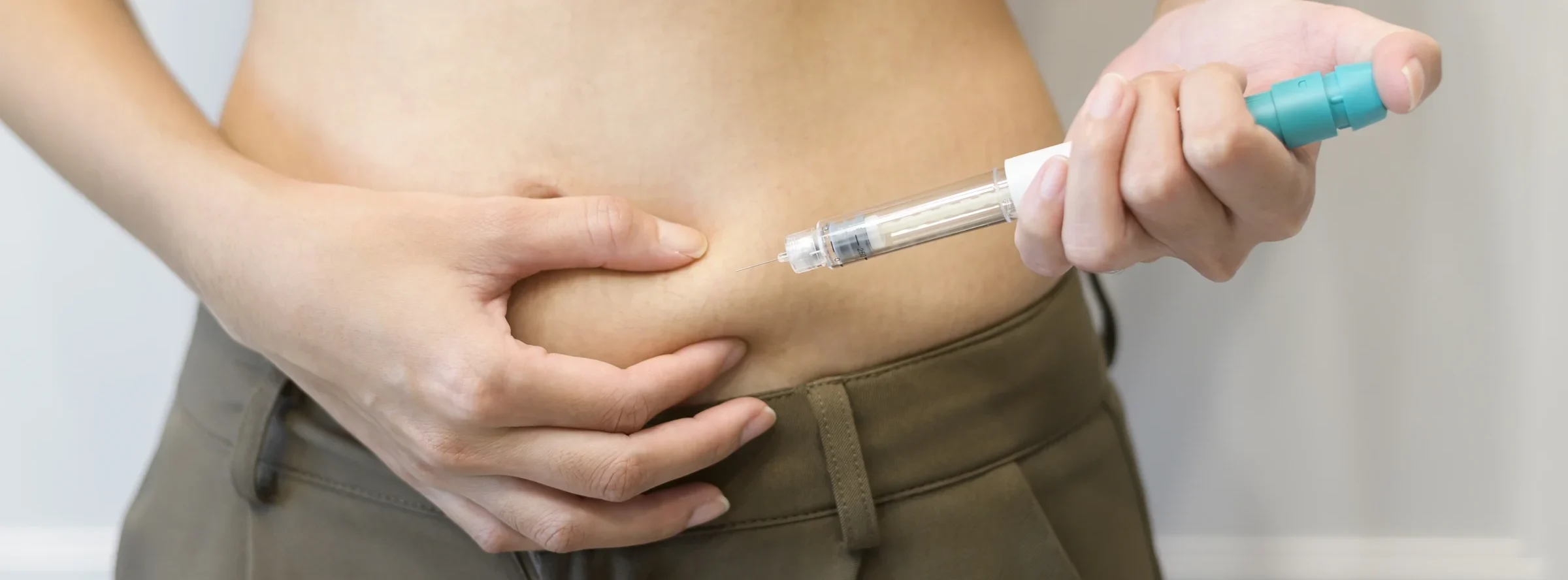
If you’re taking Ozempic, Wegovy, Mounjaro, or Zepbound you’re part of a growing wave of Americans using GLP-1 medications to manage type 2 diabetes and/or support weight loss. These drugs have genuinely changed lives for many people. The benefits are significant, but they’re also powerful medications. Knowing when a side effect needs emergency attention could make a real difference in your outcome.
All four drugs work on similar pathways in the body. Ozempic and Wegovy are both semaglutide, the same molecule, used at different doses for different purposes. Mounjaro and Zepbound are both tirzepatide, again the same drug, approved for diabetes management and weight loss, respectively. Tirzepatide is a closely related but distinct medication from semaglutide, targeting two receptors instead of one. That shared biology means all four have a lot in common when it comes to side effects. But there are meaningful differences worth understanding, especially when it comes to knowing when to seek emergency care.
Common Side Effects That Are Usually Manageable
Most people starting any of these medications experience some degree of nausea, vomiting, diarrhea, or constipation, particularly in the first few weeks as the dose increases. These gastrointestinal symptoms are uncomfortable, but they’re expected and typically mild. Eating smaller meals, staying well-hydrated, and avoiding high-fat or spicy foods can help your body adjust.
Mild injection site reactions (redness, itching, or a small bump) are also common and generally nothing to worry about. These side effects don’t typically require a trip to the ER. A call to your prescribing provider is usually the right first step.
Warning Signs That Warrant Emergency Care
Some side effects are rare but serious, and they can escalate quickly. This is the part that really matters.
- Severe abdominal pain, especially in the upper abdomen that radiates to the back. This can be a sign of pancreatitis, an inflammation of the pancreas that has been associated with all GLP-1 medications. Pancreatitis can become life-threatening if not treated promptly. Don’t wait it out. Come in.
- Persistent vomiting or diarrhea leading to dehydration. When you can’t keep fluids down for hours, your body’s electrolyte balance and kidney function can be seriously affected. Signs of severe dehydration include dizziness, rapid heartbeat, dark urine, confusion, or fainting. These warrant immediate evaluation. This risk applies to all four medications and is worth taking seriously, especially at higher doses.
- Signs of a serious allergic reaction. Though rare, anaphylaxis can occur with any of these drugs. Symptoms include swelling of the face, lips, tongue, or throat, difficulty breathing, or a widespread rash with hives. Call 911 or get to an emergency room immediately.
- Vision changes. Some patients on semaglutide-based medications have experienced rapid worsening of diabetic eye disease (diabetic retinopathy). Sudden blurred vision, floaters, or vision loss should be evaluated urgently, not just by your eye doctor, but in an emergency setting if it comes on suddenly.
- Symptoms of low blood sugar (hypoglycemia). On their own, these medications rarely cause hypoglycemia. However, if you’re also taking insulin or a sulfonylurea (such as Glipizide, Glimepiride, Glyburide, or Glucotrol), your risk goes up considerably. Shakiness, sweating, confusion, rapid heartbeat, or loss of consciousness require immediate attention. This is especially important for Mounjaro and Zepbound users, as tirzepatide’s dual mechanism can produce more pronounced blood sugar effects in some patients.
- Signs of kidney problems. Severe vomiting and diarrhea can reduce blood flow to the kidneys. Watch for significantly decreased urination, swelling in the legs, or extreme fatigue alongside GI symptoms.
- A lump or swelling in your neck, difficulty swallowing, or hoarseness. GLP-1 receptor agonists as a class carry a warning about thyroid tumors, including medullary thyroid carcinoma. Any new neck mass that develops while on Ozempic, Wegovy, Mounjaro, or Zepbound deserves prompt medical evaluation.
A Note for Mounjaro and Zepbound Users: Watch for Gallbladder Symptoms
Mounjaro and Zepbound (both tirzepatide) carry a more prominently recognized risk of gallbladder disease than its semaglutide counterparts. This includes gallstones and gallbladder inflammation, which can develop even without a prior history of gallbladder problems.
Seek emergency care if you experience sudden, severe pain in the upper right side of your abdomen, pain that spreads to your right shoulder or back, fever with abdominal pain, nausea and vomiting alongside these symptoms, or yellowing of the skin or eyes. These can indicate a gallbladder attack or infection that needs urgent treatment.
Trust Your Instincts
Medical guidance matters, but so does listening to your body. If something feels seriously wrong, not just uncomfortable but truly wrong, please don’t talk yourself out of coming in. The care team here would always rather see you and send you home reassured than have you wait too long on something serious.
At Surepoint Emergency Center, you’ll be seen quickly by a team that takes your concerns seriously. No long waits, no judgment. Just real care from people who are glad you came.
If you are experiencing a medical emergency, call 911 or visit your nearest emergency room immediately. This blog post is intended for informational purposes and does not replace advice from your healthcare provider.