
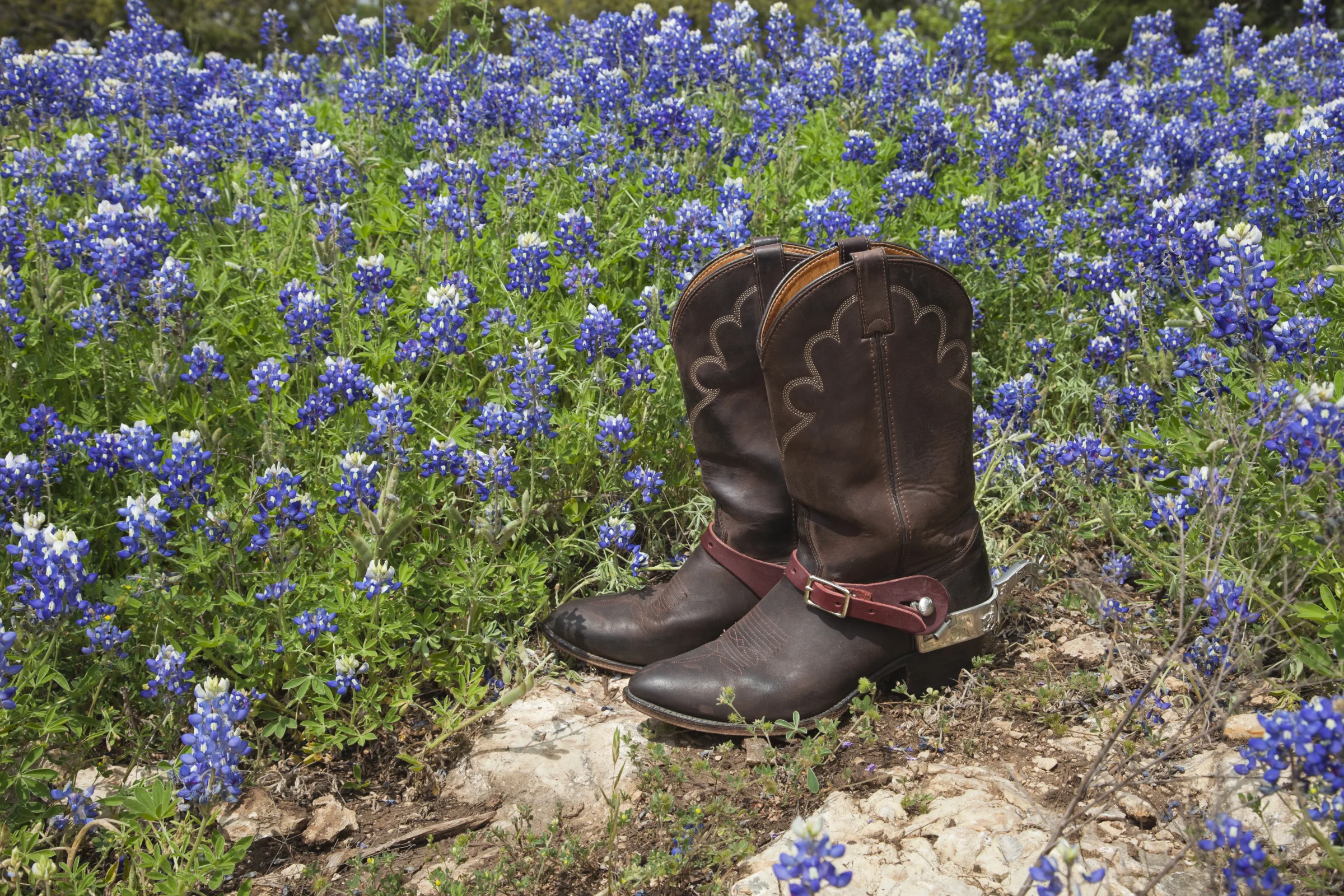
As Texas bursts into bloom each Spring, millions of Texans are besieged by allergy symptoms. The state’s long growing seasons, diverse plant life, and famously windy conditions combine to form some of the highest pollen counts in the United States. That translates to more people sneezing, feeling congested, and staying symptomatic longer than in other parts of the country.
Understanding why allergies feel so intense here can help you prepare earlier, treat symptoms more effectively, and know when it’s time to get medical help.
A climate that fuels pollen production
Texas weather plays a major role in allergy intensity. Mild winters, early springs, and long warm seasons allow plants to pollinate earlier and for longer periods than in colder regions. In many parts of the state, pollen season can start as early as January and stretch well into fall.
Warm temperatures push plants to produce more pollen. A familiar Texas pattern, rain followed by sunny, warm days, can trigger rapid growth and sudden spikes in pollen release. That’s when people describe it as a “pollen explosion,” and even those without a strong allergy history may notice symptoms.
The usual suspects: Texas plants that trigger allergies
Certain Texas plants are especially known for causing seasonal symptoms:
Mountain cedar (juniper): A major culprit in winter and early spring, especially in Central Texas. Cedar pollen is extremely fine, travels easily on wind, and can cause intense symptoms like itchy, watery eyes; sneezing; runny nose; throat irritation; cough; and significant congestion. Some people also feel fatigued or achy. That’s why you may hear the term “cedar fever.” Symptoms can begin as early as November for those who are sensitive.
Oak: Often peaks in spring and can be heavy enough to leave a visible yellow coating outdoors. The visible dust gets attention, but it’s the microscopic particles you breathe in that drive symptoms.
Grasses: Tend to take over later in spring and early summer. Bermuda grass and ryegrass are common triggers across Texas and can be stubborn because exposure can be frequent and widespread.
It’s up in the air
Texas is known for wide-open landscapes and, in many areas, frequent wind. That wind often spreads pollen over long distances. Even if the plant causing your symptoms isn’t in your yard, airborne pollen can travel dozens or even hundreds of miles.
Dry conditions can add another layer of irritation. Dust in the air can inflame already-sensitive nasal passages and airways, making congestion worse and triggering coughing, chest tightness, or sinus pressure for some people.
Why symptoms can feel more intense
Allergy symptoms happen when the immune system overreacts to something harmless like pollen. In Texas, prolonged exposure and higher counts can keep that immune response “switched on” for longer. That often shows up as:
- Persistent congestion and post-nasal drip
- Sneezing and itchy, watery eyes
- Sinus pressure or headaches
- Poor sleep, and the fatigue that follows
- Worsening asthma symptoms in people with asthma
When symptoms go untreated or persist for weeks, some people also become more prone to sinus infections due to ongoing inflammation and blockage.
Practical ways to cope
You can’t eliminate pollen completely, but you can reduce exposure and make symptoms easier to manage.
Check pollen forecasts. Many weather apps and local health resources provide daily pollen counts. Planning outdoor activities when levels are lower can help.
Keep indoor air cleaner. Keep windows closed on high-pollen days, change HVAC filters regularly, and consider a portable air purifier if symptoms are significant.
Shower after outdoor time. Pollen sticks to hair, skin, and clothing. A quick rinse can prevent it from spreading inside your home.
Use medications consistently when needed. Over-the-counter antihistamines, nasal steroid sprays, saline rinses, and allergy eye drops can be very effective. Many people get better relief when they start treatment early and use it regularly during peak seasons rather than only “as needed.” If symptoms keep breaking through, a clinician can help tailor a plan.
Consider longer-term options. Allergy testing and immunotherapy (allergy shots or other forms, depending on what’s appropriate) may help people with severe or persistent symptoms by gradually reducing sensitivity over time.
When home treatment isn’t enough
If allergies are interfering with sleep, work, or daily activities (or if over-the-counter treatments aren’t helping), it’s worth speaking to a healthcare professional. Persistent symptoms may signal uncontrolled allergies, asthma involvement, or another condition.
And while most seasonal allergies are uncomfortable but not dangerous, there are times when symptoms can signal something more serious.
Go to the ER right away if you have:
- Trouble breathing or worsening of asthma symptoms
- Consistent wheezing
- Swelling of the lips, tongue, or throat
- Hives that spread quickly
- Dizziness
- Feeling like your throat is closing
- High fever
- Dehydration from persistent vomiting
Each of these can be signs of a severe allergic reaction (anaphylaxis), which is a medical emergency. When in doubt, it’s always safer to get checked, especially if symptoms escalate quickly or feel different from your usual allergies.
A freestanding emergency center, like Surepoint Emergency Center, can be lifesaving when symptoms become severe. In the ER, the priority is to stabilize you quickly, protect your airway and breathing, and stop the reaction from progressing. Find out more here to learn if an ER visit is right for you.
The bottom line
Texas’ long growing seasons, diverse plant life, frequent winds, and climate conditions all contribute to especially intense allergy seasons. While that can make Spring (and sometimes much of the year) challenging, understanding the environmental factors at play can help Texans anticipate symptoms and take steps to reduce their impact.
Allergies may be common here, but they don’t have to dominate one’s life. With the right strategies — and a little awareness of Texas’ unique pollen environment — everyone can breathe easier through allergy season.