

Spring in Texas means packed soccer fields and baseball diamonds from February through May. Kids are running, sliding, colliding, and occasionally landing wrong. Most of the time, they shake it off. But sometimes “shaking it off” is exactly the wrong call, and the cost of waiting shows up weeks later in an orthopedist’s office, a longer recovery, or a season that ends earlier than it should have.
The phrase that gets Texas parents into trouble is almost always the same one: “It’s probably fine.”
The Problem with Probably
Here’s what makes sprains and fractures so difficult to sort out on the sideline: they often look and feel identical. Swelling, bruising, tenderness, and difficulty bearing weight all show up in both. Even experienced coaches and athletic trainers can’t reliably tell them apart without imaging. That’s not a knock on anyone’s judgment. It’s just the reality of what soft tissue and bone look like from the outside when something goes wrong.
So when a parent watches their kid limp off the field and thinks “it’s probably just a sprain,” they’re not being careless; they’re making a reasonable guess with limited information. But during sports season, when kids are playing multiple games a week, a two-day delay can turn a manageable injury into a complicated one.
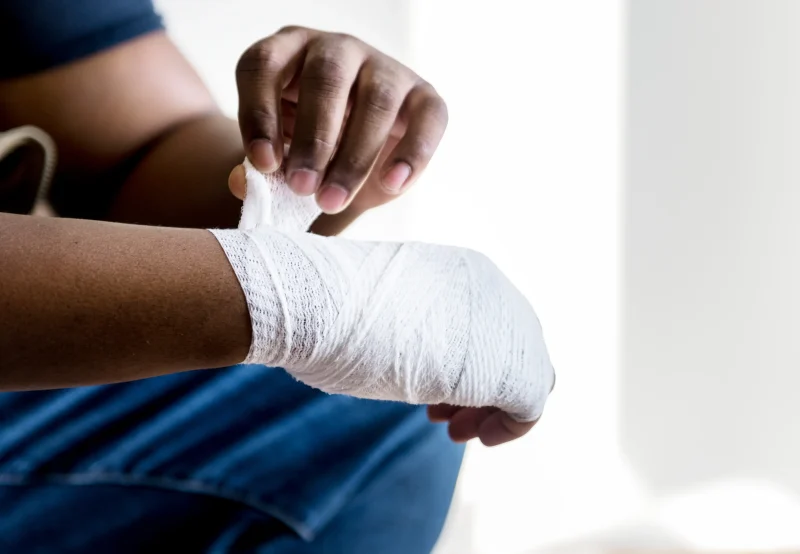
What’s Actually at Stake: Growth Plate Fractures
Consider a situation where a 10-year-old takes a hard slide into second base and gets up holding their wrist. They can move their fingers. They’re not screaming. “Probably just jammed it” seems reasonable. But in children and adolescents, some of the most significant fractures are also the quietest, particularly those involving growth plates.
Growth plates are the areas of developing cartilage near the ends of long bones where growth occurs. They’re structurally weaker than the surrounding bone, which makes them more vulnerable to fracture, and they’re the kind of injury that can affect how a bone develops if it isn’t properly diagnosed and treated. A growth plate fracture that gets taped up and walked on for three days looks very different on an X-ray than one that gets evaluated the same afternoon.
Beyond growth plates, untreated fractures can shift position, especially if a child keeps using the injured limb. What might have been a clean break can become a misaligned one that requires more intervention. Recovery timelines stretch. Sometimes there are complications that wouldn’t have existed with earlier imaging.
The calculus isn’t complicated: an X-ray or CT scan done promptly either confirms there’s nothing serious (good news, go home, ice it) or catches something that needs attention before it gets worse. Either outcome is better than waiting to find out.
The Real Cost of Waiting
“Expensive” doesn’t always mean a dollar figure. In the context of a youth sports injury, the cost of waiting adds up in a few different ways.
There’s the medical cost: a fracture that shifts position or goes undetected can require more intensive treatment down the line. A follow-up specialist visit, additional imaging, or a longer course of physical therapy all cost more than a single emergency room visit would have.
There’s the time cost: a child who plays through an undiagnosed fracture for several days may face a significantly longer recovery than one who gets imaging right away. In a spring season that might only run eight or ten weeks, that difference can mean missing the rest of it entirely.
And then there’s the cost parents often don’t think about until they’re deep into it: the mental and logistical toll of managing an injury that got worse before it got better. That Saturday afternoon trip to the emergency room starts to look a lot more manageable in hindsight.

Why the ER, and Why It Doesn’t Have to Take All Day
Not all urgent care centers are equipped to handle the full picture when it comes to fractures in kids. Some can do basic X-rays and manage straightforward breaks. But complex fractures, growth plate injuries, or anything requiring a CT scan often need a higher level of care. An emergency room has the imaging capabilities and clinical depth to evaluate the injury completely, rather than starting the process and sending you somewhere else.
The other concern parents often have is time. The mental image of spending four hours in a hospital ER waiting room is a real deterrent, especially on a weekend with other kids in tow. That’s where a freestanding emergency room changes the equation. Unlike a hospital ER, a freestanding emergency room typically has little to no wait time, which means you can get in, get imaging, and get answers the same afternoon without losing your entire weekend. For Texas families navigating a busy spring sports schedule, that’s a meaningful difference.
The Reframe
The question most parents ask is “is this bad enough to go to the emergency room?” That’s the wrong starting point. A more useful question is “what happens if I wait and I’m wrong?”
If it’s a sprain, you go in, get confirmation, and leave with peace of mind. If it’s a fracture and you waited two days, you may be looking at a longer recovery, additional imaging, and a conversation about why the bone shifted. For a young athlete mid-season, that difference is significant.
“It’s probably fine” is an easy thing to tell yourself when you’re looking at a packed schedule and a kid who isn’t crying anymore. But probably fine and definitively fine are different things. When the swelling isn’t going down, when your child won’t put weight on it, when something just doesn’t look right, that’s the moment to head to the emergency room. And with little to no wait, there’s one less reason not to.