
Texas road trips make some of the best family memories of the year. Nearly 80,000 miles of roads crisscross this state, and there is a lot to love along the way: big skies, roadside stops, Hill Country weekends, beach days on Padre Island, and long stretches of highway that feel like they belong to you alone.
Summer travel in Texas also comes with a few realities worth thinking through ahead of time. Extreme heat, long distances between towns, sudden storms, and hours on the road can turn a simple detour into a stressful situation. A little preparation before you leave makes a big difference when something unexpected happens.
This guide covers the basics so your family is ready, whether the car overheats, traffic grinds to a halt, someone gets carsick, or you end up stranded longer than planned.
Get the Car Ready Before You Go
Before you pack snacks or load the playlist, make sure the vehicle itself is road-trip ready. Texas heat is hard on cars, especially during long summer drives. Tires, batteries, and cooling systems are more likely to fail when temperatures climb.
Check tire pressure including the spare, look at tread depth, and make sure the brakes feel normal. Top off windshield washer fluid, check oil and coolant, and if the battery is older or the AC has been acting up, address it before you leave. In Texas, a broken air conditioner is not just uncomfortable. In extreme heat, it can become genuinely dangerous for young children, older adults, and pets.
Fill the gas tank before heading into remote areas and do not wait until nearly empty to refuel. In parts of West Texas and the Hill Country, towns and stations can be farther apart than families expect.

What Goes in the Emergency Kit
A road trip emergency kit should be practical, not overwhelming. Start with the essentials:
- Water, and more of it than you think you’ll need. If you’re stuck on the roadside in high heat, water is your first line of protection.
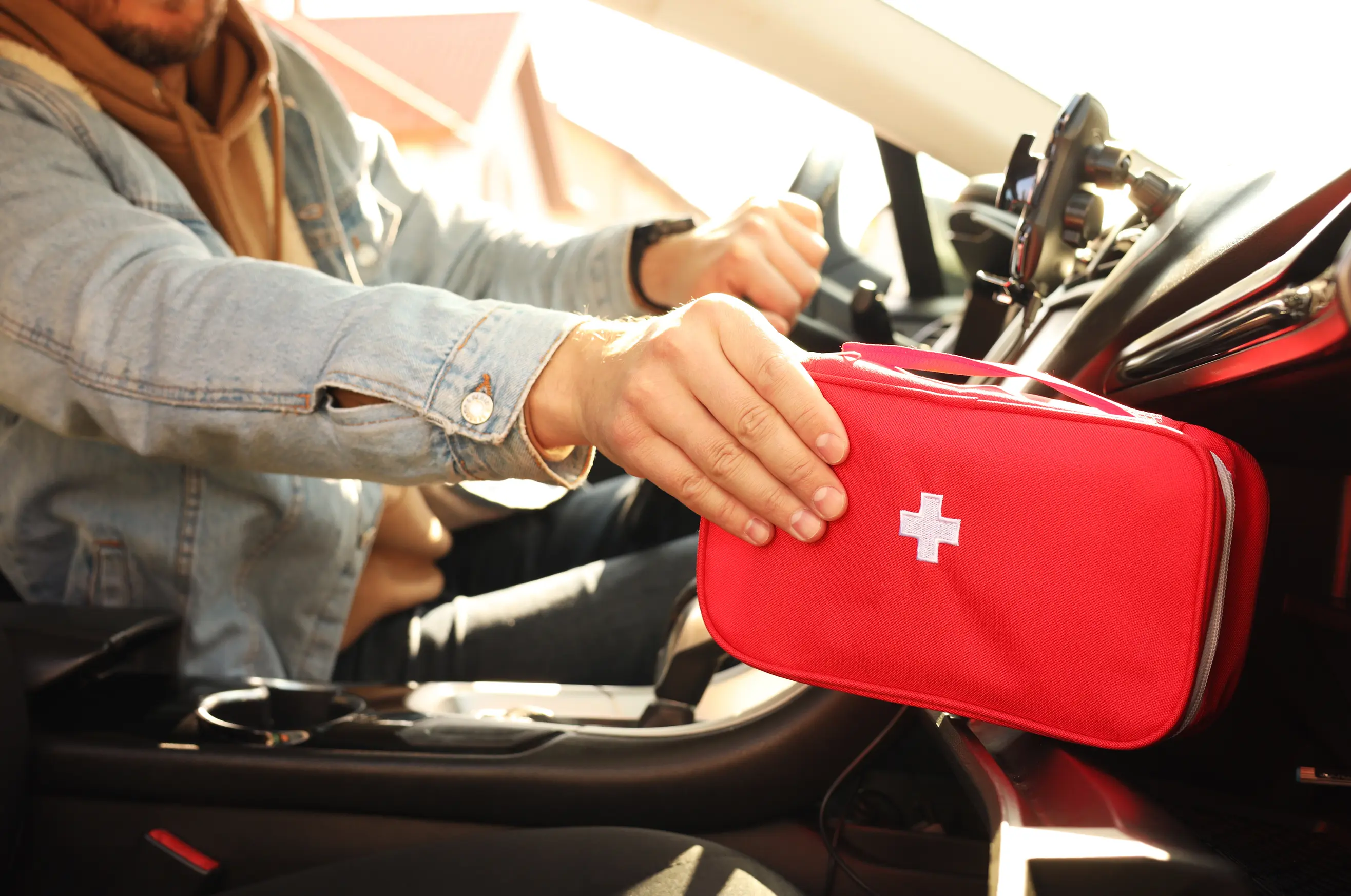
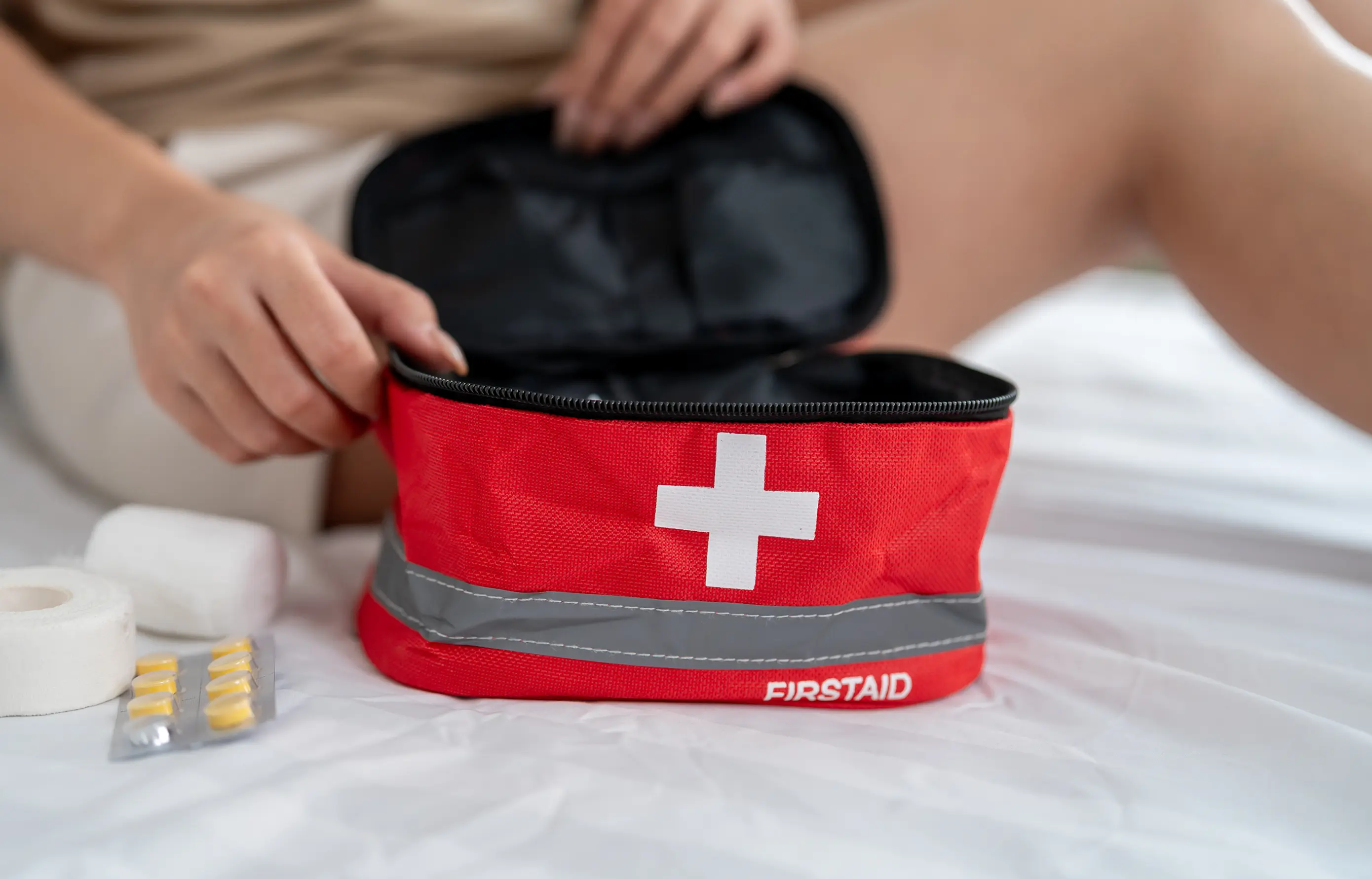
- A stocked first-aid kit with bandages, antiseptic, pain reliever, antihistamine, and any prescription medications your family takes.
- Nonperishable snacks, like pretzels, crackers, or raisins.
- Flashlight is classic tool for any emergency kit, but phone chargers and a backup battery pack are more modern-day essentials.
- Cooling towels and a light blanket. Useful for heat exposure on the roadside or for a cold car at night.
- Jumper cables, a tire inflator or repair kit, and basic tools. Even if you do not use them yourself, they can help if another driver stops to assist.
- Paper towels, wet wipes, sunscreen, and a small trash bag. These small items get used more than anything else.
Pack for the Kids, Not Just the Drive
Families are usually good at packing tablets, coloring books, and snack boxes. What gets overlooked are the things that matter when a child gets sick or uncomfortable far from home.
Pack a change of clothes for younger children, along with motion sickness supplies and any comfort item that helps them settle down. If you have a baby or toddler, bring more diapers, wipes, and formula than you think the drive requires. Delays happen. Traffic on Texas highways can back up quickly after a crash, road construction, or severe weather.
For older kids, keep a written list of emergency contacts and important medical information in the glove box. In a stressful moment, it helps to have names, phone numbers, allergies, and medication details somewhere easy to find.
Take Texas Heat Seriously
Texas families know it gets hot. What people sometimes underestimate is how quickly heat becomes dangerous inside a stopped vehicle or on the side of the road.
Never leave a child or pet in the car, even for a minute. Build in regular stops so everyone can cool down, stretch, and hydrate. Try to schedule the longest stretches of driving earlier in the day. Midafternoon heat can be punishing on highways with little shade.
If your car breaks down, staying with the vehicle is usually safest. Turn on hazard lights, move as far off the road as possible, and call for help. If the AC is out and the heat is intense, use your water steadily and look for safe shade nearby only if it is clearly accessible.
Watch the Weather, Not Just the Heat
Summer in Texas means more than high temperatures. It also means sudden thunderstorms, flash flooding, high winds, and poor visibility. Before leaving, check the forecast for the full route, not just the destination.
If heavy rain starts, slow down and increase your following distance. Flooded roads are especially dangerous. Even a few inches of water can hide road damage or sweep a vehicle off course. When in doubt, turn around. A delayed arrival is always better than the alternative.
If you are traveling through rural areas, expect stretches of weak cell service. Download maps ahead of time and let someone at home know your route and expected arrival.
Make Sure Everyone Knows the Plan
Preparedness is easier when the whole family knows what to do. Tell older kids what to expect in a roadside emergency: stay close to the vehicle, do not step toward traffic, and wait for an adult’s instructions. Decide ahead of time where important items are stored, including medications, the first-aid kit, and the water supply.
Keep your roadside assistance number saved before you leave. A little preparation makes a big difference when stress is high and everyone is looking to you for the next step.
One more thing worth knowing.
Most road trip emergencies are manageable with the right supplies and a calm plan. But if someone in your family experiences heat exhaustion, a significant injury, chest pain, difficulty breathing, or any symptom that feels genuinely wrong, that is what Surepoint Emergency Centers are here for. With locations across Texas, including DFW, the Corpus Christi area, and communities throughout North Texas, Surepoint is staffed around the clock by emergency-trained physicians with on-site imaging and lab work available the moment you walk in. No appointment, no referral, no long wait. If you need us, we are there.
A Texas road trip should feel exciting, not fragile. Pack smart, plan ahead, and enjoy the drive.
If you are experiencing a medical emergency, call 911 or visit your nearest emergency room immediately. This post is for informational purposes only and does not replace guidance from your healthcare provider.